11 of the most costly software errors in history
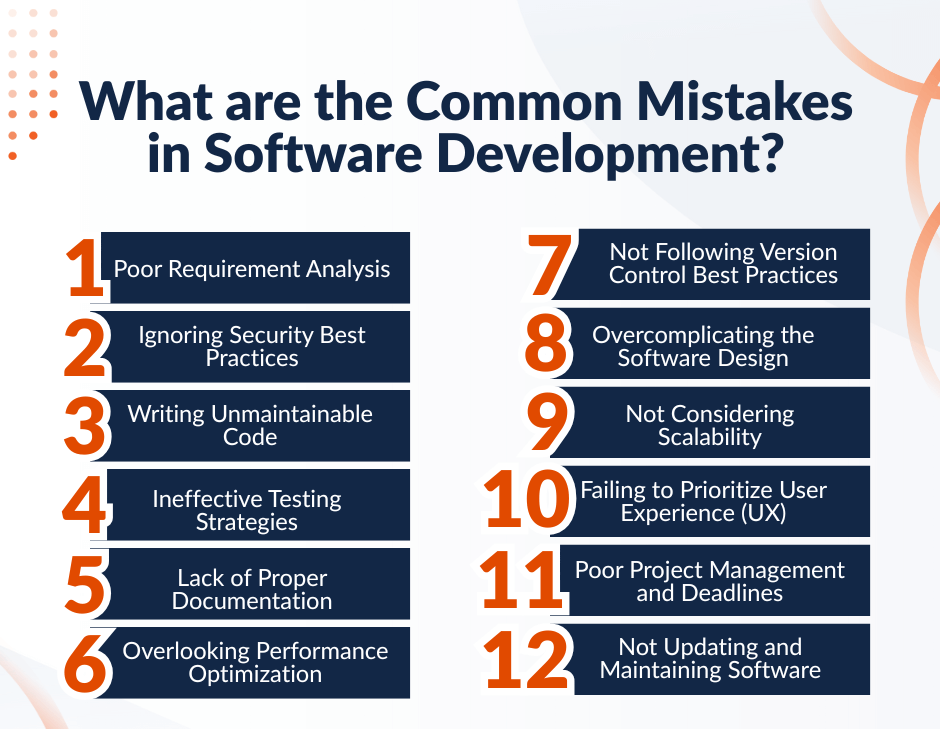
The software industry evolves every year, and so do the errors developers face. In 2026, applications are more distributed, AI-powered, cloud-native, and security-focused than ever before. With microservices, serverless deployments, AI integrations, and global user bases, new types of failures are becoming more common.
If you are a developer, startup founder, DevOps engineer, or managing production systems, you cannot afford to ignore these issues. Here are the top 10 software errors in 2026 that you should not miss, along with why they happen and how to prevent them.
1. AI Integration Failure Error
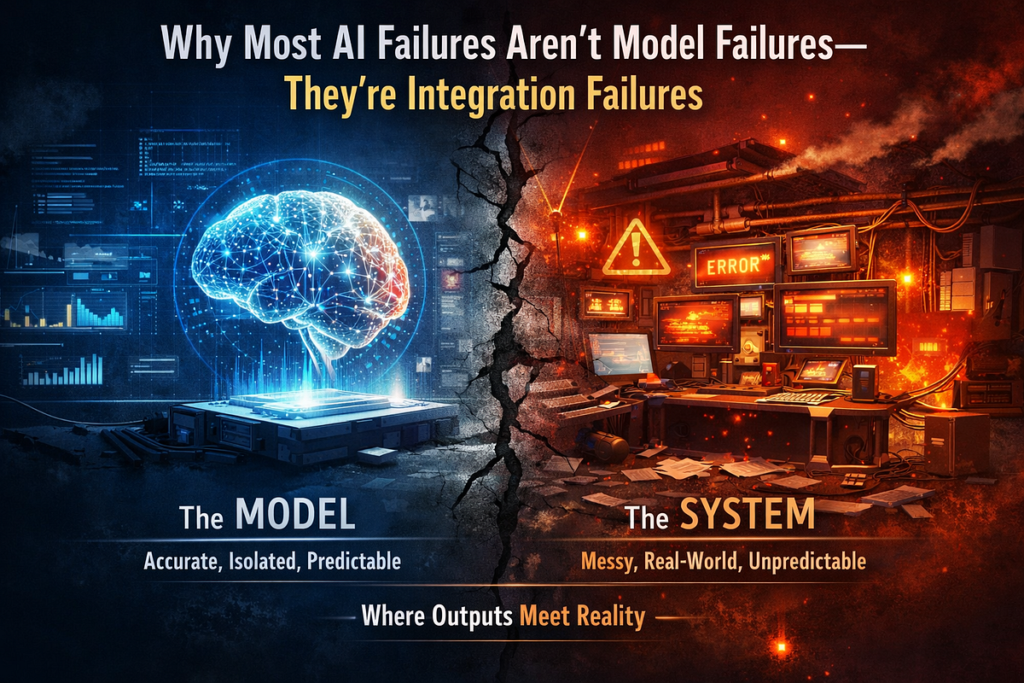
With AI APIs being integrated into websites and apps, one of the most common 2026 issues is AI response failure. This occurs when external AI services timeout, return malformed responses, or exceed usage quotas. Applications depending heavily on AI-generated content may crash or show empty responses. This usually happens due to rate limits, incorrect API keys, or model version mismatches. To prevent it, always implement fallback logic, monitor API usage limits, validate AI responses before rendering them, and add proper error handling for timeout scenarios.
2. Environment Variable Misconfiguration
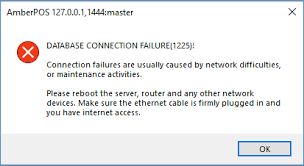
As applications move to multi-environment setups (development, staging, production), missing or incorrect environment variables have become a leading cause of production failure. A wrong database URL, expired secret key, or incorrect API base URL can break the entire application. In 2026, automated CI/CD pipelines reduce manual errors, but environment mismanagement still remains common. Always validate environment variables during deployment and use secure secret management systems instead of hardcoding credentials.
3. CORS Misconfiguration in Microservices
As microservices architectures become standard, cross-origin issues are increasing. Applications often communicate across multiple domains and subdomains. A small misconfiguration in allowed origins or headers can block frontend-backend communication completely. To prevent this, define strict but correct CORS policies and ensure all required HTTP methods and headers are properly configured. Testing with real browser environments is essential, since API tools do not enforce CORS restrictions.
4. Token Expiration and Authentication Errors

Modern authentication systems rely on JWTs and refresh tokens. One of the most common 2026 issues is unexpected token expiration leading to random user logouts or failed API calls. This often happens when refresh token logic is not implemented correctly or when server time and token expiry configurations are mismatched. To avoid this, implement automatic token refresh mechanisms and monitor authentication logs for anomalies.
5. Cloud Rate Limiting and API Throttling
Cloud platforms and third-party services increasingly enforce strict rate limits. Applications that scale rapidly may suddenly encounter “Too Many Requests” errors. This is especially common in SaaS applications integrating payment gateways, email services, or AI APIs. Developers should implement exponential backoff strategies, caching mechanisms, and request batching to reduce API call frequency and avoid hitting rate limits.
6. Memory Leaks in Node.js Applications
Even in 2026, memory leaks remain a serious issue in backend systems. Long-running services accumulate unused objects or unclosed connections, leading to gradual performance degradation and eventual crashes. Memory profiling tools and proper garbage collection monitoring are essential. Developers should close database connections properly, remove unused listeners, and avoid global variable misuse.
7. Serverless Cold Start Delays
Serverless architecture continues to grow, but cold start delays remain a challenge. Applications relying on serverless functions may experience slow initial response times, impacting user experience. To reduce cold starts, developers can optimize function size, reduce dependency weight, and implement warming strategies to keep functions active.
8. Dependency Version Conflicts
With rapid package updates in ecosystems like npm and Python, dependency conflicts are increasing. Applications may suddenly break after updating libraries due to breaking changes or incompatible versions. Using lock files, semantic versioning strategies, and testing updates in staging environments before production deployment can prevent unexpected crashes.
9. Database Query Performance Bottlenecks
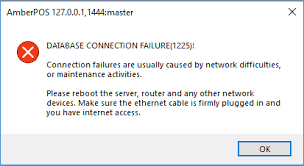
As data grows exponentially, poorly optimized queries become more visible. In 2026, slow queries and missing indexes remain one of the top reasons for application slowdowns. Developers should monitor database performance, use indexing strategically, and analyze query execution plans to identify inefficiencies.
10. Security Misconfiguration and Zero-Day Vulnerabilities
Cybersecurity threats continue to evolve. Misconfigured servers, outdated dependencies, and exposed environment files are leading causes of breaches. Zero-day vulnerabilities in widely used packages can affect thousands of applications instantly. Regular security audits, dependency scanning, firewall configuration, and proper access control are critical to prevent attacks.
Why These Errors Matter in 2026
Applications today are no longer simple monolithic systems. They involve cloud infrastructure, AI services, distributed APIs, authentication layers, and real-time communication. A single small misconfiguration can cascade into a large-scale outage. Developers who understand these common 2026 errors gain a major advantage. They can build stable, scalable, and secure systems while reducing downtime and improving user trust.
Frequently Asked Questions (FAQ)
1. Why are software errors increasing in 2026?
Because modern systems are more complex, interconnected, and dependent on third-party services. Complexity increases the probability of failure points.
2. What is the most dangerous error in 2026?
Security misconfiguration is considered one of the most critical because it can lead to data breaches and financial loss.
3. How can developers reduce production errors?
By implementing proper logging, monitoring systems, automated testing, CI/CD pipelines, and staging environments before deployment.
4. Are AI-related errors common now?
Yes. As AI APIs become integrated into applications, rate limits, malformed responses, and service downtime are increasingly common issues.
5. How do startups handle these errors effectively?
Startups use monitoring tools, cloud dashboards, error tracking systems, and rollback strategies to quickly detect and resolve issues.
6. What skill helps most in handling modern software errors?
Structured debugging and system-level thinking are the most valuable skills for handling complex production systems.