Mobile App Trends to Follow in 2027: What’s Coming Next
The world of mobile apps is evolving at breakneck speed. By 2027, apps won’t just be tools—they’ll be intelligent companions that anticipate your needs, simplify tasks, and create deeply immersive experiences. At the heart of this transformation is artificial intelligence (AI), which is moving from a supporting feature to a core component of app functionality. AI will personalize content, predict user behavior, automate repetitive tasks, and power conversational assistants that feel natural, intuitive, and human-like. With on-device AI and edge computing, these intelligent features will even work offline or with slow internet, offering better performance and stronger privacy protection.
Ultra-Fast Connectivity: 5G and Beyond
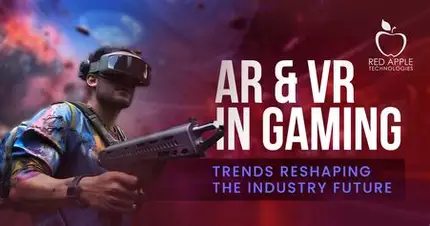
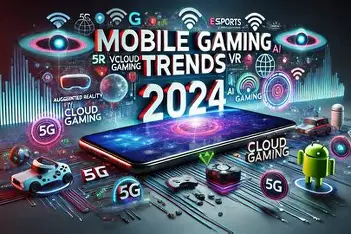
The rollout of 5G—and early developments toward 6G—will redefine app performance. Mobile apps will become faster, smoother, and more responsive than ever. Real-time gaming, ultra-high-definition video streaming, and advanced AR and VR interactions will be the new standard. Developers are increasingly using AR and VR beyond entertainment—applications in shopping, learning, navigation, and professional training will make digital experiences feel closer to reality than ever before.
The Rise of Super Apps
Another major trend is the expansion of super apps—all-in-one platforms that integrate messaging, payments, e-commerce, transportation, and social features. Popular in regions like Asia and Latin America, super apps reduce the need to juggle multiple applications, offering unmatched convenience and a seamless digital ecosystem.
Cross-Platform Development Goes Mainstream
Frameworks like Flutter and React Native will continue to dominate mobile development. By enabling apps to run smoothly on both Android and iOS, these tools save time, reduce costs, and ensure a consistent user experience across devices—essential in a market where users expect flawless performance.
Cloud, Serverless, and Scalable Apps
Cloud-based and serverless architectures are becoming the backbone of modern apps. By leveraging cloud computing for storage, processing, and synchronization, apps can scale effortlessly to millions of users without compromising speed or reliability. This approach also makes apps easier to maintain and more adaptable to future innovations.
Low-Code and No-Code: Democratizing App Development
In 2027, app creation won’t be limited to professional developers. Low-code and no-code platforms allow anyone—from business owners to hobbyists—to create fully functional apps through visual interfaces. These tools accelerate prototyping and product launches, making app innovation accessible to a broader audience.
Security and Privacy Take Center Stage
As apps become smarter and more connected, security and privacy remain critical. Developers will focus on robust encryption, biometric authentication, secure cloud storage, and clear data permissions to protect user data and build trust. Users can expect safer, more transparent digital experiences than ever before.
Looking Ahead
In short, 2027 will be defined by smarter apps, faster connectivity, seamless ecosystems, and accessible development tools. Whether you’re a developer, entrepreneur, or everyday mobile user, these trends will shape how apps look, feel, and interact with people in daily life.
FAQ: Mobile App Trends for 2027
Q: What’s the most important trend in mobile apps for 2027?
A: AI will drive the biggest changes, powering personalized experiences, automating tasks, and predicting user behavior across industries.
Q: Will apps get faster by 2027?
A: Absolutely. The adoption of 5G and early 6G networks will enable real-time features like cloud gaming, immersive AR/VR, and seamless streaming.
Q: What are super apps?
A: Super apps combine messaging, payments, shopping, travel, and social features in a single platform, minimizing the need for multiple apps.
Q: Do I need coding skills to build an app in 2027?
A: Not necessarily. Low-code and no-code platforms let anyone create fully functional apps without deep programming knowledge.
Q: Are AR and VR only for gaming?
A: No. AR and VR will be widely used in education, shopping, workplace tools, travel, and more, creating interactive and immersive experiences across industries.