Know the future of your autonomous vehicles
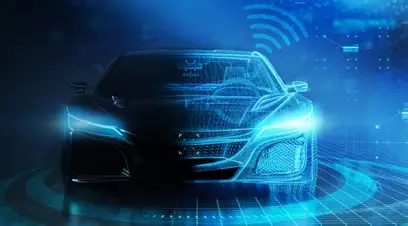
The Future of Autonomous Vehicles: Smarter Roads, Robotaxis & Beyond
Autonomous vehicles (AVs) — cars that drive themselves — are moving quickly from science fiction to real‑world reality. While full self‑driving everywhere isn’t quite universal yet, major breakthroughs and commercial deployments are happening right now, and they are shaping a future where vehicles drive themselves with little or no human input.
One of the most visible trends is the deployment of robotaxi services — self‑driving taxis that operate without human drivers. For example, Waymo is expanding its driverless taxi service to 10 major U.S. cities, including Dallas, Houston, and Orlando, with plans to reach even more markets and eventually 1 million weekly trips by 2026.
Companies like Uber are also launching autonomous vehicle ventures and partnerships to support robotaxi infrastructure, fleet management, insurance, and real‑time monitoring systems — moving beyond R&D toward commercial viability.
Innovation isn’t just in ride‑hailing. Self‑driving trucks and freight vehicles are entering commercial trials, promising more efficient logistics. For instance, partnerships between cloud providers and automakers aim to launch autonomous freight trucks as early as 2027, bringing driverless long‑haul transport closer to reality.
Today’s autonomous systems are built on advanced sensors and AI. Modern AVs use combinations of cameras, radar, and LiDAR (laser‑based distance sensors) along with powerful onboard AI to understand complex driving environments in real time — identifying obstacles, predicting the behavior of pedestrians and other vehicles, and planning safe navigation.
Connectivity plays a big role too. Vehicle‑to‑Everything (V2X) communication lets cars talk to traffic signals, road infrastructure, and other vehicles to improve safety and reduce congestion. By 2034, most AV ecosystems are expected to adopt ultra‑low‑latency V2X networks, allowing vehicles and infrastructure to share data in milliseconds.
Safety technologies are also evolving rapidly. Advanced Driver Assistance Systems (ADAS) — like automatic emergency braking, lane keeping, and adaptive cruise control — are becoming standard on new cars and serve as stepping stones toward full autonomy. Nearly all new vehicles could include such features by the early 2030s, significantly reducing accidents while laying groundwork for higher automation.
Market growth reflects this momentum. The autonomous vehicle market, valued at hundreds of billions today, is projected to expand sharply over the next decade, driven by investments in AI‑based decision systems, supportive regulations, and infrastructure readiness.
Despite rapid progress, fully driverless personal cars (Level 5 autonomy) remain a long‑term goal and might not be widespread until the 2030s. However, robotaxis, freight AVs, and advanced assistance features will make autonomous mobility common much sooner.
In short, the future of autonomous vehicles is not about a single “robot car” — it’s about an entire ecosystem that includes driverless taxis, self‑driving freight, smart road communication, and AI‑powered navigation systems — all contributing to safer, greener, and more efficient transportation.
Why Autonomous Vehicles Matter
- Safety: AVs have the potential to reduce human‑error crashes, the leading cause of fatal accidents worldwide.
- Efficiency: Self‑driving systems optimize routes and reduce traffic congestion, lowering travel time and fuel use.
- Accessibility: Robotaxis can provide mobility for people unable to drive — such as the elderly or disabled.
- Sustainability: Electric autonomous fleets can cut emissions when integrated with green energy and smart traffic systems.
- Economic Growth: Autonomous logistics and ride services could reshape industries from transportation to retail delivery.
FAQ: Autonomous Vehicles & What’s Next
Q: What exactly is an autonomous vehicle?
A: An autonomous vehicle is one that drives itself using sensors, AI, and connectivity — with minimal or no human control.
Q: Are self‑driving cars already on the road?
A: Yes — robotaxis are operating in several U.S. cities and expanding, though fully driverless personal cars are still in testing and early rollout.
Q: When will self‑driving cars become mainstream?
A: Services like robotaxi rides could become widespread in the late 2020s/early 2030s, but full personal autonomous car adoption may take longer.
Q: What technologies make AVs possible?
A: Advanced sensors (LiDAR, radar, cameras), high‑performance AI chips, real‑time connectivity (like V2X), and machine learning models that interpret vehicle surroundings.
Q: Are autonomous vehicles safe?
A: Modern AV systems improve safety by reducing human error, but ensuring security against hacking and unpredictable traffic scenarios remains a priority for developers and regulators.
Q: Will autonomous vehicles take jobs away?
A: Some driving jobs may change, but autonomous tech could also create new roles in monitoring, maintenance, fleet management, and software development.