Mobile app trends to follow in 2027
The world of mobile apps keeps evolving fast, and by 2027 we’ll see some exciting changes that will make mobile experiences smarter, faster, and more immersive. One of the biggest forces shaping this future is artificial intelligence (AI) — not just as a feature, but as a core part of how apps work. AI will help apps personalize content, predict what users want, automate tasks, and even interact through conversational assistants that feel more natural and human‑like. On‑device AI and edge computing will make these intelligent features work even when internet connectivity is slow or offline, improving performance and privacy at the same time.
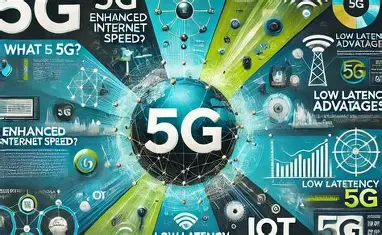
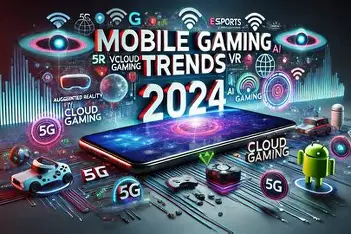
Thanks to powerful network technologies like 5G and early 6G, mobile apps will become faster and more reactive than ever. This means real‑time gaming, ultra‑smooth video streaming, and high‑quality interactions in apps that use augmented reality (AR) or virtual reality (VR) will be common. Developers will build more AR/VR apps not just for games but for shopping, learning, navigation, and workplace training, which makes technology feel closer to real life.
Another major trend is the rise of super apps — single platforms that combine many services like payments, messaging, e‑commerce, transportation, and social features into one seamless experience. In many regions, especially Asia and Latin America, super apps are redefining how people access digital services, reducing the need to switch between multiple separate apps.
Cross‑platform development tools like Flutter, React Native, and others will continue to grow because they let developers build apps for both Android and iOS faster and more efficiently, saving time and money while delivering consistent experiences on different devices.
Cloud‑based and serverless applications are becoming the foundation for scalable mobile apps. Instead of relying entirely on hardware inside your phone, apps will use cloud computing to process tasks, store data, and synchronize experiences across devices. This trend ensures apps can grow effortlessly and adapt to millions of users without performance issues.
Low‑code and no‑code app platforms will democratize app creation in 2027. These tools let people with little or no programming experience build fully functional applications using visual building blocks. Businesses will use these platforms to prototype ideas faster and bring products to market without huge development teams.
Alongside all this, mobile security and privacy will remain a priority. As apps collect more data and offer richer experiences, developers will focus on stronger encryption, biometric logins, safer cloud storage, and clearer data permissions to protect users and build trust.
In short, 2027 will be defined by smarter apps, faster connectivity, seamless ecosystems, and easier creation tools. Whether you’re a developer, a business owner, or just a mobile user, these trends will shape the way apps work, look, and connect people in everyday life.
FAQ: Mobile App Trends for 2027
Q: What’s the most important trend in mobile apps for 2027?
A: AI will be the biggest driver, making apps smarter by personalizing experiences and automating tasks across different industries.
Q: Will apps get faster by 2027?
A: Yes — with wider adoption of 5G and early 6G, apps will support real‑time features like cloud gaming, AR/VR experiences, and seamless streaming.
Q: What are super apps?
A: Super apps combine many services like messaging, payments, shopping, and travel into one platform, offering convenience and reducing the need for multiple separate apps.
Q: Do I need to know coding to build an app in 2027?
A: Not necessarily — low‑code and no‑code platforms let people create apps without deep programming skills.
Q: Are AR and VR only for gaming?
A: No — by 2027, AR and VR will be used in education, shopping, travel apps, and even workplace tools, making mobile experiences more interactive.