Smart Home Tech Innovations: The Future of Intelligent Living
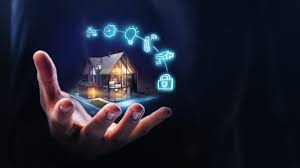
Smart home technology is transforming the way we live, making homes smarter, safer, and more energy-efficient. What started with simple smart bulbs and voice assistants has now evolved into fully connected ecosystems where devices communicate with each other automatically. In 2026 and beyond, smart homes are becoming more intelligent thanks to advances in artificial intelligence (AI), automation, faster internet connectivity, and improved security systems.
One of the biggest innovations in recent years is cross-device compatibility through standards like Connectivity Standards Alliance’s Matter platform. Matter allows smart devices from different brands to work together smoothly. This means homeowners no longer need separate apps for lights, locks, and thermostats — everything can be controlled from one unified system, making smart homes simpler and more user-friendly.
Artificial intelligence is also playing a huge role in innovation. AI-powered smart assistants can now learn daily routines and adjust settings automatically. For example, smart thermostats can detect when you leave the house and reduce energy usage, while smart lighting systems adjust brightness based on time of day or occupancy. Instead of waiting for commands, modern smart homes anticipate needs and respond proactively.
Security technology has seen major upgrades as well. Advanced smart cameras use AI to distinguish between people, pets, and objects, reducing false alarms. Smart locks now support biometric authentication, digital keys, and ultra-wideband (UWB) unlocking — meaning your door can unlock automatically as you approach with your smartphone. These improvements make homes both safer and more convenient.
Energy management is another exciting innovation area. Smart energy systems can monitor electricity usage in real time, integrate with solar panels, and even manage home battery storage. This helps homeowners lower bills and reduce their environmental footprint. With global focus on sustainability, energy-efficient smart homes are becoming more popular every year.
Home robotics is also evolving rapidly. Robotic vacuum cleaners are becoming smarter with AI mapping, while robotic lawn mowers maintain outdoor spaces automatically. Some companies are even developing home assistant robots that can move around the house and interact with smart devices directly.
Another key trend is edge computing, where smart devices process data locally instead of sending everything to the cloud. This improves speed, reduces internet dependence, and enhances privacy — a growing concern for many users.
Overall, smart home tech innovation is moving toward greater automation, enhanced security, seamless integration, and sustainability. In the future, homes will not just respond to commands — they will understand preferences, predict needs, and continuously optimize comfort and efficiency.
FAQ: Smart Home Technology
Q1: What is smart home technology?
Smart home technology refers to devices connected to the internet that can be controlled remotely or automatically, such as smart lights, thermostats, cameras, and locks.
Q2: Do smart homes save money?
Yes. Smart thermostats, lighting, and energy monitors help reduce electricity consumption and lower monthly bills.
Q3: Are smart homes secure?
Modern systems use encryption, biometric locks, AI monitoring, and local processing to improve security. However, users should keep devices updated and use strong passwords.
Q4: Do smart devices work without the internet?
Some newer devices with local processing (edge computing) can function even if the internet goes down, but remote access usually requires connectivity.
Q5: Is smart home technology expensive?
Not necessarily. There are affordable options like smart plugs and bulbs, and homeowners can build their system gradually over time.