The Future of Gaming: VR and AR Transforming How We Play
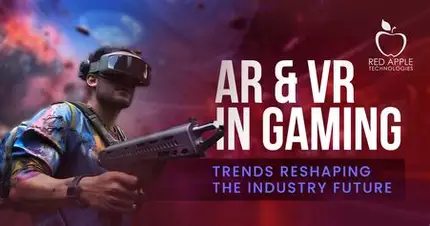
Virtual reality (VR) and augmented reality (AR) are revolutionizing the gaming world, transforming traditional gameplay into fully immersive experiences. VR immerses players directly into the game using headsets and motion controllers, making you feel like you are racing through futuristic cities, exploring fantasy realms, or battling fierce monsters. AR, on the other hand, overlays digital content onto the real world, turning your surroundings into an interactive playground — think games like Pokémon Go, where you catch creatures in your own backyard.
How VR Gaming is Changing Player Experiences
VR gaming brings an unprecedented level of realism and engagement. Modern VR headsets deliver stunning high-resolution graphics that make virtual worlds almost indistinguishable from reality. Advanced motion tracking allows fluid, lifelike movements, while haptic feedback lets players actually feel in-game actions such as the recoil of a gun, the texture of objects, or the impact of a sword strike. AI-driven non-player characters (NPCs) make games unpredictable and immersive, while multiplayer VR arenas enable players to connect with friends worldwide for collaborative missions or competitive tournaments.
How AR Gaming Blends Reality with Fun
AR gaming adds digital layers to your real-world environment, creating interactive experiences without the need for heavy hardware. Smartphone-based AR games make it easy for beginners and casual gamers to enjoy immersive experiences. AR is also being applied in educational games, enhancing learning through interactive simulations, as well as in sports training and fitness, where players can practice techniques or improve coordination using AR overlays. Social AR experiences allow friends to hang out in shared virtual spaces that merge digital and real environments.
Innovations Driving VR and AR Growth
The gaming industry is rapidly advancing thanks to both hardware and software innovations. VR headsets are becoming lighter and more comfortable for long gaming sessions. Cloud gaming integration allows players to stream VR and AR games instantly without relying on high-end PCs, while 5G networks provide ultra-fast, low-latency connections for smoother multiplayer and mixed reality experiences. Mixed reality gaming, which combines VR, AR, and AI, is paving the way for next-level immersive gameplay. The future is clear: players will not just play games—they will truly experience them in interactive, lifelike worlds where every action is felt, every character reacts intelligently, and social connection happens virtually.
FAQ: VR and AR Gaming Simplified
Q: What is the difference between VR and AR gaming?
A: VR fully immerses you in a virtual world using headsets, while AR overlays game elements on the real world through phones or AR glasses.
Q: Do I need expensive equipment for VR/AR games?
A: Not necessarily. Many AR games work on smartphones, and VR headsets are becoming more affordable and lightweight for casual gamers.
Q: What are the latest innovations in VR and AR gaming?
A: Innovations include haptic feedback for in-game sensations, AI-driven characters, multiplayer VR arenas, and mixed reality experiences.
Q: Can VR/AR gaming be educational or practical?
A: Yes! VR and AR are used for learning, sports training, and social interactions, making gaming both fun and beneficial.
Q: Will VR/AR replace traditional video games?
A: Not completely. Traditional gaming will remain popular, but VR/AR offers unique, immersive experiences that standard screens can’t match.