Android vs iOS Updates: Side-by-Side Comparison (2026 Guide)
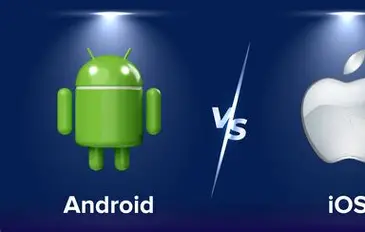
Software updates are not just about new features. They improve security, fix bugs, boost performance, and keep your phone safe for years. When comparing Android and iOS, one of the biggest differences is how updates are delivered and how long they last. Let’s break it down clearly and simply.
1. Update Process & Delivery
iOS (Apple)
Apple Inc. controls both hardware and software. This gives Apple full control over updates. When a new version of iOS is released, it is sent directly to all supported iPhones at the same time worldwide without waiting for carriers or manufacturers. Security patches are also delivered quickly, and small fixes often reach users within days. The result is fast, direct, and consistent updates.
Android (Google + Manufacturers)
Google develops the core Android system, but devices are made by companies like Samsung, OnePlus, and Xiaomi. These manufacturers customize Android with their own interface and features, and in some regions carriers test updates before release. Because of this, updates roll out in stages and may take weeks or months to reach many devices. However, devices like Google Pixel receive updates directly from Google and usually get them faster than other Android phones. The result is a flexible system but slower and less consistent update delivery.
2. Support Duration (How Long Updates Last)
iOS Support
Apple typically supports iPhones with major updates and security patches for about 5–7 years after launch. Even older iPhones continue receiving security fixes, which helps them stay secure and usable for a long time. This long support cycle increases the overall value of the device.
Android Support
Most Android flagship phones receive major updates for about 2–4 years and security patches for 3–5 years depending on the brand. Budget Android phones often receive fewer updates and shorter support periods. While some premium models now promise longer support, update duration still varies between manufacturers.
3. Update Speed & Fragmentation
iOS
Because Apple controls hardware and software together, most iPhone users upgrade quickly. Within months of a new release, a large percentage of devices are already running the latest version. This creates a unified ecosystem with very low fragmentation.
Android
Android devices are produced by many brands with different hardware configurations. This leads to update fragmentation, where many devices run different versions of Android at the same time. Even when a new Android version launches, adoption usually takes longer compared to iOS. As a result, Android has more version diversity across devices.
4. Security & Safety
iOS Security
Security patches are released directly and consistently across supported devices. Apple’s closed ecosystem and strict App Store review process help reduce malware risks. Users typically receive security updates quickly and uniformly.
Android Security
Google releases monthly security patches for Android, but distribution depends on the device manufacturer. Pixel devices and some premium Android models receive timely updates, while others may get them later. Android security has improved significantly, but update timing still varies by brand.
Side-by-Side Summary
Delivery Speed: Android updates are slower and depend on manufacturer and carrier, while iOS updates are fast and released simultaneously worldwide.
Support Duration: Android typically offers 2–4 years of major updates and 3–5 years of security updates depending on the device, while iOS offers around 5–7 years of consistent support.
Security Patches: Android timing varies by device, while iOS patches are rapid and uniform.
Fragmentation: Android has high fragmentation, while iOS has low fragmentation.
Bottom Line: Which Is Better at Updates?
iOS leads in consistency, speed, and long-term support because updates arrive faster and last longer across devices. Android offers flexibility, customization, and a wide range of device options, but update speed and duration depend heavily on the manufacturer. If long-term software support is your priority, iOS has the advantage. If you prefer more hardware choices and customization, Android remains a strong option.
Frequently Asked Questions
Why do Android updates take longer? Because Google releases the base Android version, but phone makers and carriers must customize and test it before users receive it.
Do all iPhones get updates at the same time? Yes, Apple pushes updates directly to compatible devices worldwide.
Can Android phones update parts of the system without a full OS update? Yes, many system apps and features can update through the Google Play Store without requiring a full operating system upgrade.
Which platform gets security fixes faster? Generally, iOS delivers security patches faster and more consistently across devices.
Are Pixel phones better at updates than other Android devices? Yes, Google Pixel devices usually receive updates earlier and for a longer period compared to many other Android brands.
Software updates play a major role in device security, performance, and lifespan. Understanding the differences between Android and iOS updates helps you choose the platform that best fits your needs in 2026.