Old Flagships vs New Budget Phones
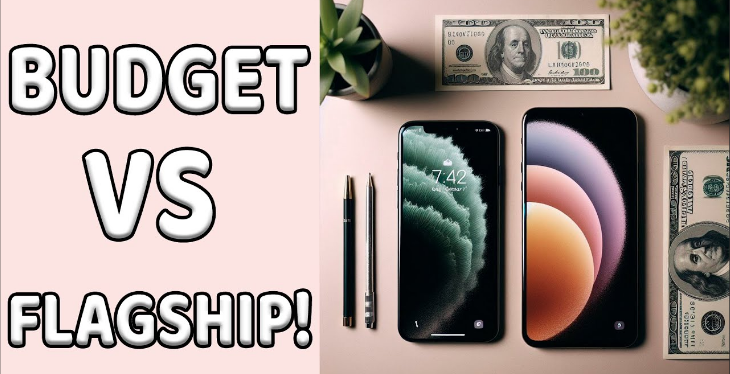
In 2026, choosing a new smartphone can be confusing because there are so many options from budget models to full‑featured flagship phones Budget phones are affordable and offer great value for everyday use while flagship phones deliver the best performance, cameras, and advanced technology Understanding the difference between budget and flagship phones helps users choose the right device for their needs and budget This comparison explores performance, design, cameras, battery life, software support, features, and overall value to help you decide which category fits you best
What Are Budget Phones and Flagship Phones
Budget phones are affordable smartphones designed to handle everyday tasks such as calling, messaging, browsing, social media, and light gaming They usually focus on value, durability, and essential features without high prices Flagship phones are premium devices made with the best components available They offer the fastest processors, highest‑quality cameras, best displays, longest support, and advanced AI and connectivity features Flagship phones are ideal for power users, creators, gamers, and professionals who want top performance
Performance and Speed
Budget phones in 2026 typically use mid‑range processors such as Qualcomm Snapdragon 7 series or MediaTek Dimensity 700 and 800 series These chips provide smooth performance for apps, videos, messaging, and casual games Flagship phones use high‑end processors like Snapdragon 8 Elite Gen 5 or Apple A18/Bionic series which deliver significantly faster speeds for multitasking high‑end gaming augmented reality and professional‑level apps This means that while a budget phone can handle daily use without issues flagship phones will load complex games and heavy applications much faster and without slowdown
Display and Visual Experience
Budget phones often feature LCD or basic AMOLED displays with standard refresh rates around 60 Hz to 90 Hz These screens are good for videos and browsing but may appear less smooth during rapid motion Flagship phones use advanced AMOLED or OLED displays with 120 Hz or higher refresh rates and superior color accuracy These screens look brighter, more detailed, and more responsive especially for gaming and high dynamic range content Watching videos, editing photos, or playing fast games feels noticeably better on flagship displays
Camera Quality and Features
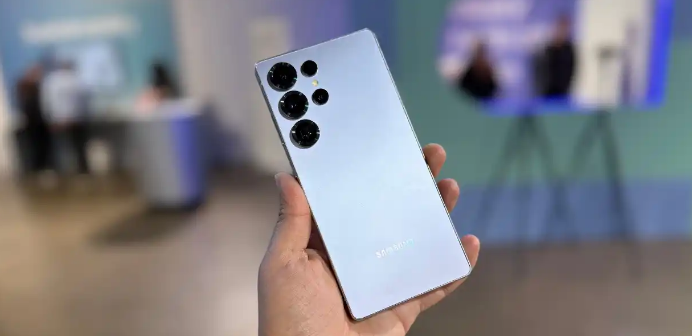
Camera performance is one of the biggest differences between budget and flagship phones Budget phones usually include a basic camera setup with one or two lenses and standard image processing These cameras are suitable for everyday photos in good lighting but struggle in low light and fine detail Flagship phones include multiple high‑resolution sensors, telephoto and ultra‑wide lenses, advanced night modes, optical image stabilization and AI enhancements Flagship camera systems produce professional‑looking photos and videos, better low‑light results, clearer portraits and more accurate colors while budget cameras are simpler and struggle under challenging conditions
Battery Life and Charging
Budget phones often include large batteries like 5000 mAh or more which provide long battery life Because the hardware is less power‑hungry a budget phone can easily last a full day of mixed use Many budget devices also support fast charging but at modest speeds Flagship phones also include large batteries but combine them with more advanced charging technology like super‑fast wired charging, fast wireless charging, and better power management However flagship phones with powerful processors and high‑performance displays can consume battery faster under heavy use Leaving charging aside both categories now offer decent battery life but flagship phones may need more power if used for gaming or AI‑intensive tasks
Software Support and Updates
Budget phones usually receive fewer major operating system updates and security patches than flagship phones Many budget models get 2 to 3 years of software support Flagship phones from leading brands often receive 5 to 7 years of software updates including new Android or iOS versions and security enhancements Long‑term support means flagship phones stay secure and compatible with new apps longer which is important for users who keep phones for many years
Build Quality and Design
Budget phones typically use plastic or simpler build materials to keep costs low They still offer solid durability and practical designs Flagship phones use high‑end materials such as metal frames, Gorilla Glass, ceramic or premium finishes These materials feel more premium, look more attractive and often include better water and dust resistance ratings Flagship phones tend to feel more solid and high‑quality in hand while budget phones are functional and dependable
Connectivity and Extra Features
Flagship phones offer advanced connectivity features such as the latest 5G bands, Wi‑Fi 6E/7, ultra‑wideband (UWB), enhanced Bluetooth codecs, satellite connectivity and more These features improve speed, range, and device interaction Budget phones support essential connectivity like 4G or basic 5G, standard Wi‑Fi and Bluetooth which are adequate for daily use but lack the cutting‑edge extras Flagship devices also include premium perks like stereo speakers tuned by brands, advanced haptics, and higher‑precision biometric sensors
Price and Value
Budget phones are designed for value and can range from $150 to $400 (USD) depending on region and model They offer solid performance, long battery life, and essential features suitable for most users Flagship phones are expensive and usually range from $900 to $1500 or more but deliver top performance, best cameras, long software support and advanced hardware choices Flagship phones are ideal for users who want professional capabilities and future‑proof performance but may be overkill for someone who needs a reliable everyday device
Who Should Choose a Budget Phone
Users who primarily use their phones for messaging, social media, video streaming, web browsing, notes, simple photos and basic gameplay Students and casual users who want a dependable phone without spending much People on a tight budget who need long battery life and decent performance without premium features
Who Should Choose a Flagship Phone
Tech enthusiasts and power users who play demanding 3D games, use AI apps, and multitask heavy workloads Creators who take professional photos and videos often and need the best camera performance Professionals who need long software support and fastest performance People who want the latest features such as advanced connectivity, high refresh displays and smart AI tools
Frequently Asked Questions (FAQ)
Which is better for daily use
Budget phones are excellent for daily tasks such as messaging browsing video streaming and simple apps
Do flagship phones drain battery faster
Not necessarily flagship phones drain faster only under heavy use but also support faster charging and power management
Can a budget phone take good photos
Yes budget phones can take good photos in daylight but struggle in low light and detail
Can flagship phones last longer in updates
Yes flagship phones receive more operating system and security updates for a longer period
Are flagship phones worth the price
For users who need top performance, best cameras, and future‑proof features a flagship phone is worth the price How long does a budget phone last Modern budget phones can last 3 years or more depending on usage
Conclusion
Comparing budget vs flagship phones in 2026 shows that both categories have clear strengths Budget smartphones deliver great everyday performance, long battery life, functional cameras, and excellent value for money Flagship phones offer the best performance, premium design, advanced cameras, long software support, and cutting‑edge features For students or everyday users a budget phone may be the perfect choice For creators, professionals, and power users a flagship device delivers unmatched performance Understanding your needs, usage patterns, and priorities will help you choose the right smartphone in 2026