Best health & fitness apps
Best Health & Fitness Apps in 2026
Health and fitness apps have become essential tools for maintaining a healthy lifestyle. Whether you want to lose weight, build muscle, track daily steps, improve sleep, or manage stress, there is an app designed to support your goals. In 2026, these apps are smarter, more personalized, and better integrated with wearable devices like smartwatches and fitness bands.
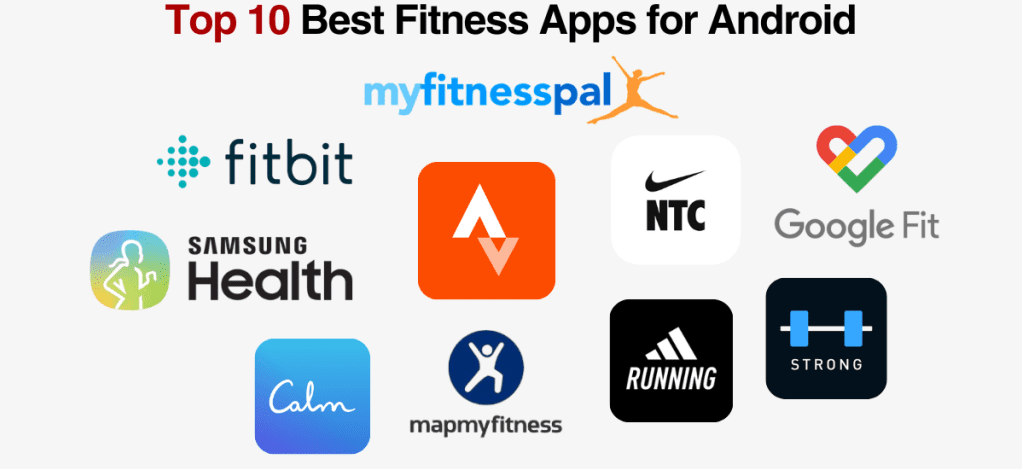
1. MyFitnessPal – Nutrition & Calorie Tracking
MyFitnessPal remains one of the most popular apps for tracking calories and nutrition. It offers a large food database that allows users to log meals easily and monitor macronutrients such as protein, carbohydrates, and fats. The app also integrates with fitness trackers, making it ideal for weight loss and diet management.
2. Fitbit – Complete Health Monitoring
The Fitbit app tracks steps, heart rate, sleep patterns, calories burned, and workouts. Even without a Fitbit device, users can monitor daily activity and set health goals. It provides detailed insights into overall wellness trends over time.
3. Nike Training Club – Guided Workouts
Nike Training Club offers a wide range of guided workouts, including strength training, cardio, yoga, and mobility exercises. It is suitable for beginners as well as advanced users, with structured training programs designed by professionals.
4. Samsung Health – All-in-One Wellness App
Samsung Health provides step tracking, stress monitoring, sleep analysis, and workout recording. It works especially well within the Samsung ecosystem but is also useful as a standalone fitness tracking application.
5. Fitbod – AI Personalized Strength Training
Fitbod creates customized gym routines based on your goals, experience level, and available equipment. It adapts workouts depending on muscle recovery and performance, making it especially helpful for strength training.
6. HealthifyMe – AI Diet Coaching
HealthifyMe combines calorie tracking with AI-based diet recommendations and professional coaching. It is particularly popular for weight management and personalized meal planning.
7. Strava – Running & Cycling Tracking
Strava is ideal for runners and cyclists. It tracks distance, speed, routes, and performance statistics while offering community challenges and leaderboards that help users stay motivated.
8. Peloton – Live & On-Demand Classes
The Peloton app provides live and recorded classes including cycling, strength training, running, and yoga. It offers structured programs led by professional instructors.
9. Freeletics – High-Intensity Workouts
Freeletics focuses on bodyweight training and high-intensity interval workouts. Its AI coaching system adjusts workout intensity based on user progress and performance.
10. Calm – Mental Health & Sleep
Calm supports mental wellness through guided meditation, breathing exercises, and sleep stories. Since mental health plays an important role in overall fitness, recovery and stress management are equally important as physical training.
Why Health & Fitness Apps Are Important
Health and fitness apps help users track daily activity, monitor health metrics, and maintain consistency in workouts. They provide structured programs, improve accountability, and offer personalized diet and exercise recommendations. Many apps integrate with wearable devices for real-time tracking, making it easier to measure progress accurately.
FAQ: Health & Fitness Apps
Q1: Are these apps free?
Most apps offer free versions with basic features. Premium subscriptions unlock advanced analytics, personalized coaching, and additional content.
Q2: Do I need a smartwatch to use them?
No, a smartwatch is not required. While wearables improve tracking accuracy, most apps work effectively using only a smartphone.
Q3: Which app is best for weight loss?
MyFitnessPal and HealthifyMe are strong choices because they focus heavily on calorie tracking and diet management.
Q4: Which app is best for beginners?
Nike Training Club and Samsung Health are suitable for beginners due to simple interfaces and easy-to-follow workout guides.
Q5: Can fitness apps really help achieve goals?
Yes, consistent tracking, structured programs, and goal setting increase accountability and significantly improve the chances of reaching health and fitness goals.