How to use social media tools effectively
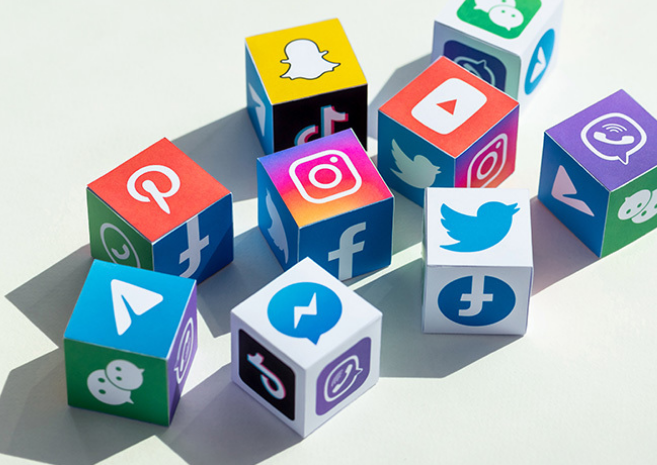
Social media is one of the most powerful digital tools in today’s world. It is not just for chatting or entertainment. It is used for marketing, branding, education, networking, and business growth. Platforms like Facebook, Instagram, X, LinkedIn, and YouTube help individuals and businesses connect with a global audience. But success does not come by posting randomly. You need strategy, consistency, and smart use of tools. This complete step by step tutorial will help you use social media tools effectively in a simple and practical way.
Understanding What Social Media Tools Are
Social media tools are software and features that help you create, manage, analyze, and improve your content. These include scheduling tools, design tools, analytics dashboards, hashtag research tools, and advertising managers. When used correctly, they save time, improve quality, and increase reach.
Step 1: Define Clear Objectives
Before using any tool, ask yourself what you want to achieve. Do you want brand awareness, website traffic, lead generation, or direct sales? A student may want to build a personal brand. A business may want customers. Your goal decides your content strategy and platform choice.
Step 2: Select the Right Platform for Your Audience
Each platform has a different purpose and audience behavior. Facebook is strong for community building and advertising. Instagram is visual and perfect for reels, stories, and brand identity. X works well for trending conversations and news updates. LinkedIn is ideal for professionals, job seekers, and B2B marketing. YouTube is powerful for long form educational or entertainment videos. Focus on platforms where your target audience is active instead of trying to manage everything at once.
Step 3: Optimize Your Profile Professionally
Your profile is your digital first impression. Use a clear profile photo or brand logo. Write a simple bio explaining who you are and what value you provide. Add relevant keywords in your description so people can find you easily. Include your website link or contact details. A professional profile builds trust instantly.
Step 4: Plan High Quality Content
Content is the foundation of social media growth. Good content solves problems, entertains, educates, or inspires. Instead of random posting, create a content plan. Decide your posting frequency. Maintain balance between value posts, engagement posts, and promotional posts. Quality is always more important than quantity.
Step 5: Use Design Tools for Better Visuals
Attractive visuals increase engagement. Use tools like Canva to design posts, thumbnails, banners, and stories easily even if you are a beginner. Consistent colors, fonts, and style create strong brand identity.
Step 6: Schedule Posts in Advance
Consistency is key to growth. Posting daily manually can be difficult. Social media management tools like Hootsuite and Buffer allow you to schedule posts for the entire week or month. Scheduling saves time and ensures your audience gets regular content even when you are busy.
Step 7: Use Analytics to Improve Strategy
Every major platform provides analytics data such as reach, impressions, engagement rate, click through rate, and audience demographics. Study this data carefully. Identify which posts perform best. Understand what time your audience is most active. Use insights to refine your future content strategy.
Step 8: Engage Actively With Your Audience
Social media is two way communication. Reply to comments. Answer direct messages. Ask questions in captions. Run polls and interactive stories. Engagement increases visibility because platform algorithms promote active accounts. When followers feel heard, they become loyal supporters.
Step 9: Use Hashtags and SEO Smartly
Hashtags improve discoverability. Use relevant and niche specific hashtags instead of very general ones. Research trending topics in your industry. On platforms like YouTube, use SEO friendly titles and descriptions to rank higher in search results.
Step 10: Leverage Paid Advertising Carefully
Organic growth is important but paid advertising can accelerate results. Facebook and Instagram ads allow you to target users by age, location, interest, and behavior. Start with small budget campaigns. Test different creatives and measure performance before scaling.
Step 11: Monitor Trends and Keep Learning
Social media changes quickly. New features like reels, shorts, and live sessions become popular. Keep learning and adapting. Follow industry blogs and observe competitors. Continuous improvement is the key to long term success.
Common Mistakes to Avoid
Many people focus only on selling. Social media is about providing value first. Another mistake is inconsistency. Posting daily for one week and then disappearing for a month damages growth. Ignoring analytics is also a major mistake. Without data, you cannot improve.
Benefits of Using Social Media Tools Effectively
When you use tools properly, you save time, maintain consistency, increase engagement, understand audience behavior, improve brand authority, and generate better results. It reduces stress and makes your strategy more professional.
Frequently Asked Questions (FAQ)
- What are social media tools?
Social media tools are software applications and built in platform features that help you create, schedule, analyze, and manage your social media content more effectively. - Which platform is best for beginners?
It depends on your goal. For visual content and branding, Instagram is great. For professional networking, LinkedIn is better. For videos, YouTube works very well. - How often should I post on social media?
Consistency is more important than frequency. Posting 3 to 5 times per week with quality content is better than posting daily without planning. - Are paid ads necessary for growth?
No, paid ads are not mandatory. You can grow organically with strong content and engagement. However, ads can help you grow faster if used correctly. - How do I increase engagement on my posts?
Create valuable content, ask questions, use relevant hashtags, post at the right time, and reply to comments quickly. Engagement increases when you interact with your audience. - Can I manage multiple platforms at once?
Yes, but it is better to start with one or two platforms. Use scheduling tools like Hootsuite or Buffer to manage multiple accounts easily. - How long does it take to see results?
Social media growth takes time. With consistent effort and smart strategy, you can start seeing improvement in a few months.
Final Conclusion
Social media success is not about luck. It is about planning, creativity, analysis, and continuous improvement. Choose the right platforms, create valuable content, use design and scheduling tools, analyze performance, and stay consistent. When you combine strategy with smart tools, social media becomes a powerful growth engine for personal branding and business success.