How to Fix Installation Errors Step-by-Step Guide
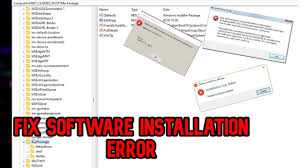
A software error, also called a bug, is a mistake in your program that causes it to behave unexpectedly. Sometimes your application crashes. Sometimes it runs but gives incorrect output. Other times it keeps loading forever or shows a blank screen. These issues usually happen because of small mistakes like missing brackets, wrong variable names, incorrect logic, or improper API integration. Instead of feeling frustrated, you should treat every error as feedback from your system.
There are mainly three common types of errors beginners face. The first type is a syntax error. This happens when you break the rules of the programming language. For example, in JavaScript, if you forget to close a bracket like this:
console.log("Hello"
the program will immediately stop and show a syntax error because the closing parenthesis is missing. The correct version should be:
console.log("Hello");
Syntax errors are usually the easiest to fix because the error message clearly tells you the line number and problem.
The second type is a runtime error. These errors occur while the program is running. For example:
let user;
console.log(user.length);
Here, the variable user is undefined, so accessing .length causes a runtime error. To fix this, you must ensure the variable has a value before using it:
let user = "Hansu";
console.log(user.length);
You can also add safety checks like:
if (user) {
  console.log(user.length);
}
This prevents the program from crashing.
The third type is a logical error. Logical errors are tricky because the program runs without crashing, but the output is wrong. For example:
function multiply(a, b) {
  return a + b;
}
The function name says multiply, but it performs addition. This is not a syntax or runtime error — it is a logic mistake. The corrected version should be:
function multiply(a, b) {
  return a * b;
}
Logical errors require careful thinking and testing to identify.
When you encounter a software error, the first and most important step is to read the error message carefully. Most beginners ignore it, but error messages are extremely helpful. They usually show the file name, line number, and type of problem. For example:
TypeError: Cannot read property 'map' of undefined
App.js:15
This tells you that at line 15 in App.js, you are trying to use .map() on something that is undefined. You should immediately check whether the array exists before calling .map().
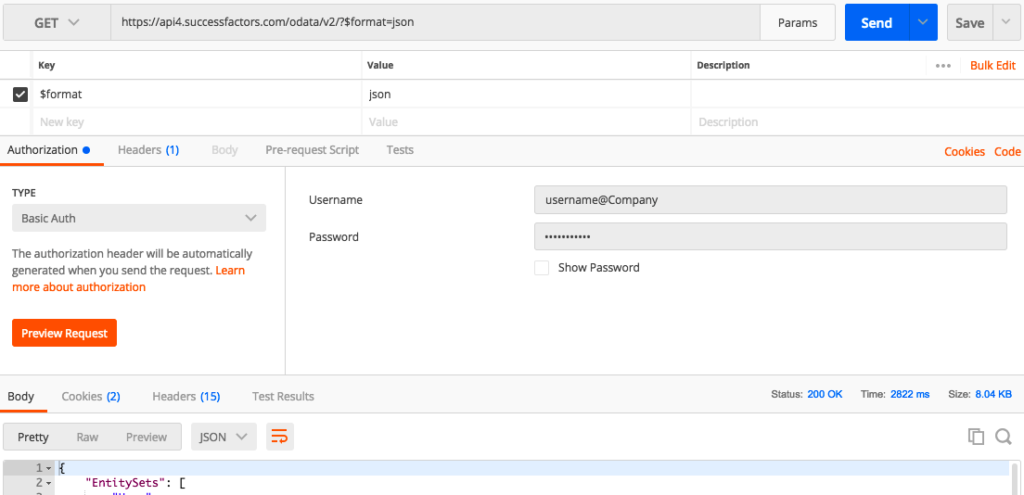
If you are working on web development, browser developer tools are very powerful. Open the browser, right-click, and click Inspect. In the Console tab, you will see red error messages. In the Network tab, you can check if your API request is failing with a 404 (not found) or 500 (server error). If you are using a database like MongoDB, make sure your connection string and environment variables are correct.
Another powerful debugging method for beginners is using console.log(). For example:
console.log("Data received:", data);
This helps you understand what value your variables are holding. Many bugs happen because developers assume the value is something else. Logging removes confusion.
You should also test your code in small parts. Instead of writing 200 lines at once, write 10–15 lines and test them. This makes it easier to find the source of the problem. If something suddenly stops working, check what you changed recently. Most errors are introduced in the latest modification.
Searching online is also part of being a good developer. Copy the exact error message and search it along with the technology name. For example: “TypeError map undefined React”. You will often find solutions on forums, documentation, or developer discussions.
To prevent software errors, you should write clean and simple code. Use meaningful variable names, keep functions short, and avoid unnecessary complexity. Always handle errors using try-catch blocks:
try {
  const result = riskyFunction();
  console.log(result);
} catch (error) {
  console.error("Something went wrong:", error.message);
}
This ensures your application does not crash unexpectedly.
In conclusion, software errors are not enemies. They are teachers. Every time you fix a bug, you improve your logical thinking and problem-solving ability. If you are a beginner, do not feel discouraged when errors appear. Instead, follow a structured approach: read the error, understand the type, isolate the problem, test small changes, and verify the fix. Over time, debugging will become easier and even enjoyable.